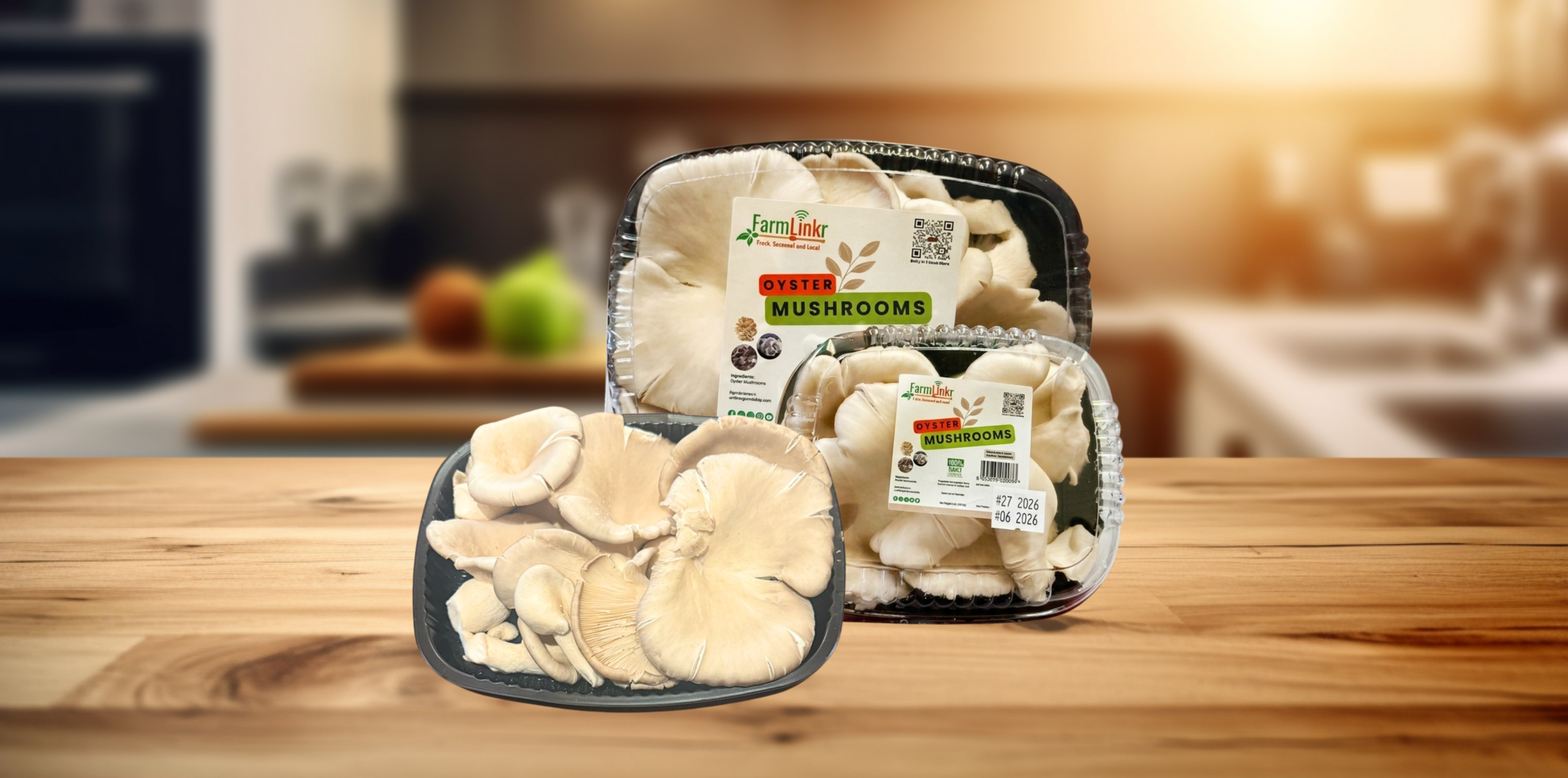

What Are Oyster Mushrooms?
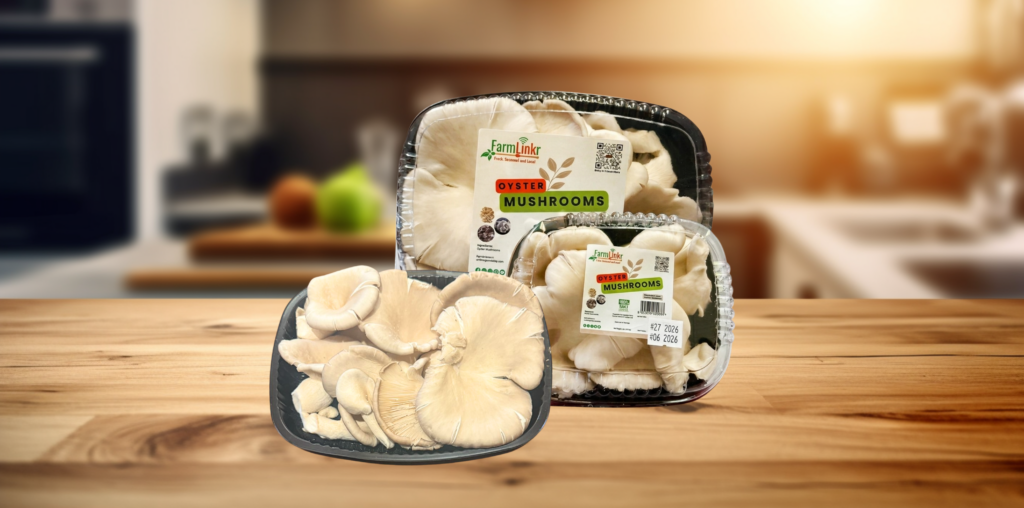
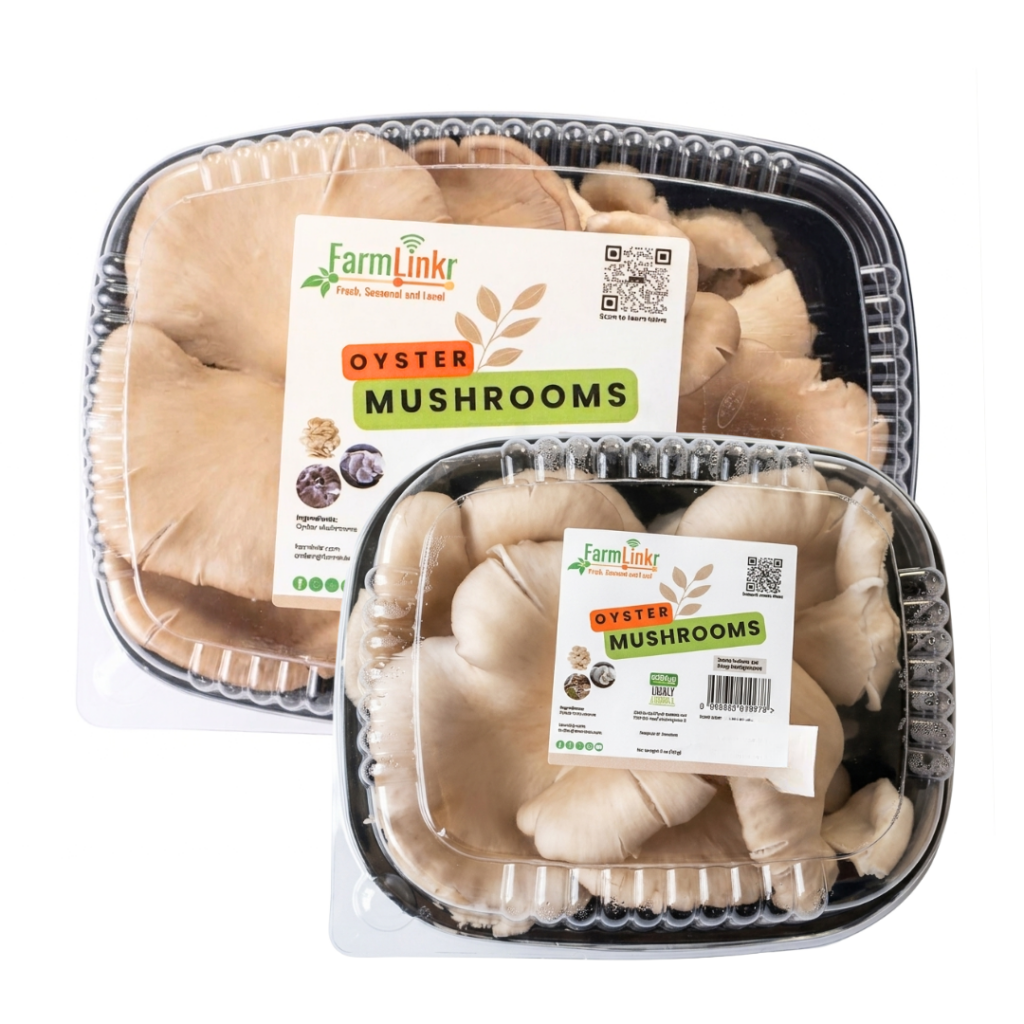
Oyster mushrooms are named for their resemblance to oyster shells. They have broad, delicate, fan-shaped caps in shades of white, cream, grey, or tan, with distinctive gills extending down the underside of each cap. Known for their delicate texture and versatility, oyster mushrooms are enjoyed around the world in both everyday meals and gourmet cuisine.
What Do Oyster Mushrooms Taste Like?
Oyster mushrooms have a mild, savoury flavour with subtle earthy notes and a hint of sweetness. Some people describe a slight seafood-like taste, although this is subjective and varies by variety and preparation. Their mild flavour allows them to absorb herbs, spices, and sauces exceptionally well.
Texture
When cooked, oyster mushrooms are tender, juicy, and slightly meaty. Their satisfying texture makes them a popular plant-based substitute in dishes such as tacos, burgers, sandwiches,
and stir-fries.
How to Prepare Oyster Mushrooms
Oyster mushrooms are highly absorbent, so avoid soaking them in water, as this can make them soggy and affect their texture.
Cleaning
- Gently brush away any dirt or debris.
- Wipe with a dry paper towel or a slightly damp paper towel if needed.
- Rinse quickly and pat dry with a paper towel to prevent sogginess.
Preparing
- Trim off the tough base where the stems are joined together.
- Separate the mushroom cluster into individual pieces or bite-sized portions before cooking. You can just use your hands to tear the pieces, no cutting is necessary.
How to Cook
Although they can be eaten raw, they are almost always cooked to enhance their flavour and texture.
For best results:
- Sauté over medium-high heat for 5–8 minutes, or until golden brown and tender.
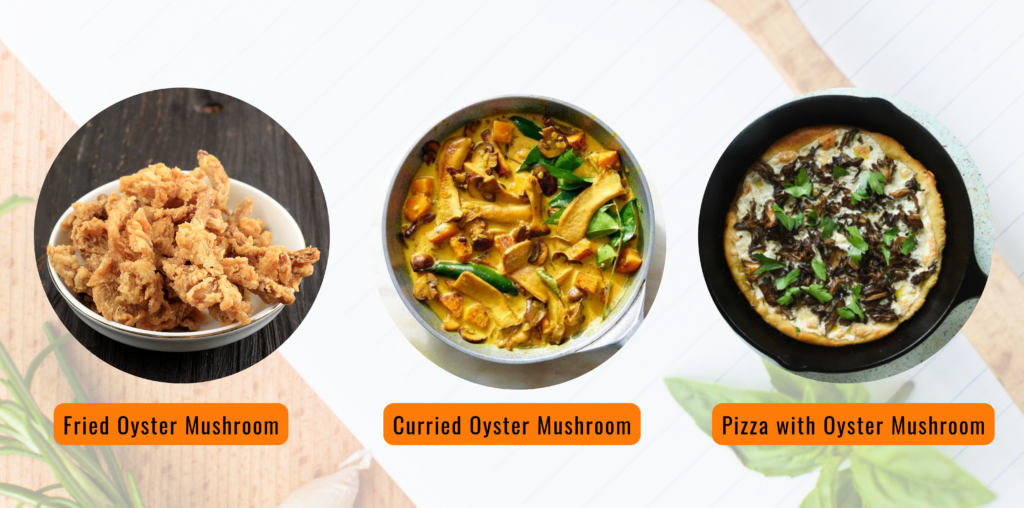
- They can also be grilled, roasted, stir-fried, baked, air-fried, or added to soups, curries, pasta, pizza, omelettes, and rice dishes.
Nutritional Benefits
Oyster mushrooms are naturally:
- Low in calories
- Fat-free
- Cholesterol-free
- A good source of dietary fibre
- Rich in B vitamins, including niacin and vitamin B5
- A source of potassium, phosphorus, iron, and zinc
Approximate nutrition per 1 cup (86 g) of raw oyster mushrooms:
(Source: Healthline.com)
- Calories: 28
- Carbohydrates: 5 g
- Protein: 3 g
- Fat: Less than 1 g
- Fibre: 2 g
- Niacin: 27% of the Daily Value (DV)
- Pantothenic acid (vitamin B5): 22% of the DV
- Folate: 8% of the DV
- Choline: 8% of the DV
- Potassium: 8% of the DV
- Iron: 6% of the DV
- Phosphorus: 8% of the DV
- Zinc: 6% of the DV
Storage Tips
- Keep refrigerated.
- Store in their original packaging or a paper bag.
- Do not wash until ready to use.
Frequently Asked Questions
-
Can I eat the stems?
Yes. The very bottom of the mushroom cluster is often firm and is usually trimmed away, but the remaining stems are perfectly edible.
-
Can oyster mushrooms replace meat?
Yes. Their tender, meaty texture makes them an excellent substitute in many vegetarian and vegan dishes.
-
Do they need to be peeled?
No. Simply clean, trim the base, and cook.
-
Can they be eaten raw?
Yes, they can be eaten raw, but cooking is recommended to enhance their flavour, texture, and overall eating experience.
-
What are the best dishes to make with oyster mushrooms?
They are delicious in stir-fries, pasta, soups, curries, tacos, grain bowls, pizzas, omelettes, and as crispy breaded “wings.”
Shop With Us
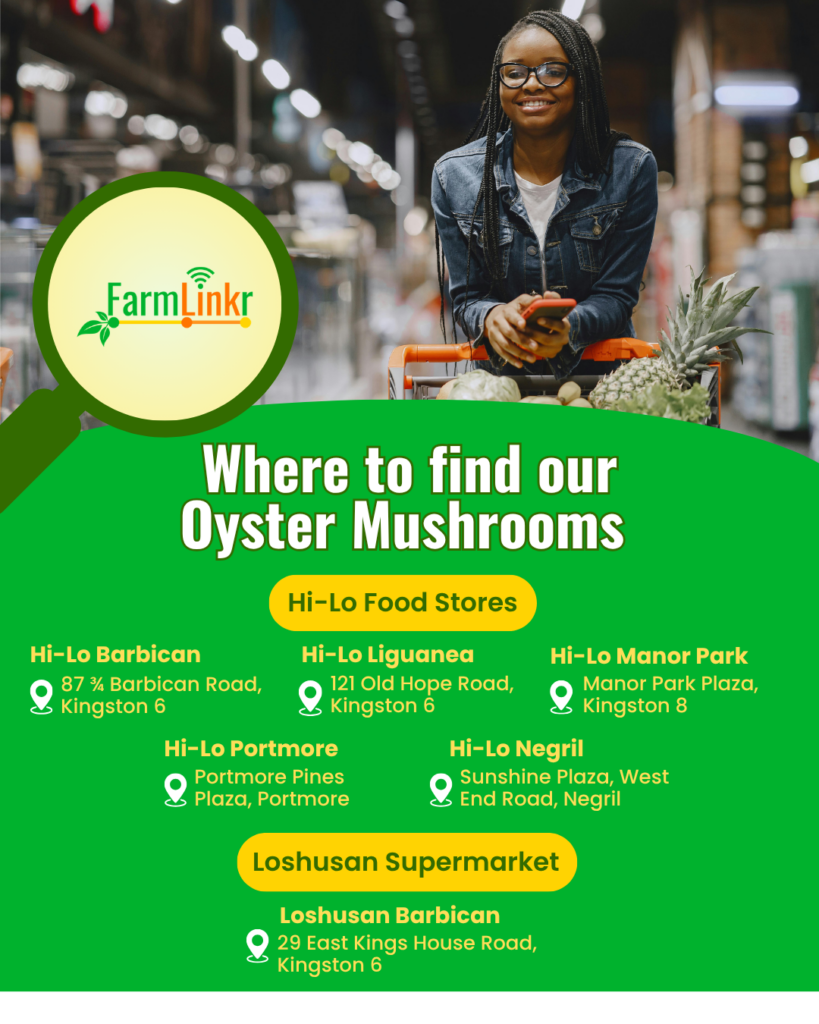
Ready to try our Oyster Mushrooms? Find it at a store near you!
Freshness starts here! 🌿 Discover everything from farm-fresh herbs and seasonal fruits to locally grown produce, fruit trees, and quality seeds.